The 2005 change in the bankruptcy laws was supposed to slow down the rate at which people file for bankruptcy. It may have temporarily worked. BK filings climbed to all time highs in 2010 before starting to again decline. The 2005 change in the bankruptcy laws was supposed to slow down the rate at which people file for bankruptcy. It may have temporarily worked. BK filings climbed to all time highs in 2010 before starting to again decline.
Did we really think that simply changing the laws in 2005 would make all the bankruptcies go away? It didn’t, it made things a little better for a short period of time, however, the housing crisis in 2008-2010 drove numbers to all time highs.
There was an increase in filings just prior to the law changes in 2005 and things stayed pretty consistent until 2008 when the housing market crashed and the number of bankruptcy filings escalated. They continued on an upward path until 2010 and then started to slightly decrease every year.
When a person files for chapter 7 bankruptcy protection they are able again to file 8 years after their case is discharged. With so many filings in 2008 and 2009, there will be a lot of people eligible to file again in 2016 and 2017. This crop of freshly eligible
bankruptcy filers may mean that bankruptcy filing rates again could spike.
From 2005- 2010 all states showed an increase in bankruptcy filings. Some experts believe some of the increase is due to a natural recovery as consumers and Phoenix Bankruptcy attorneys become accustomed to a recent overhaul of bankruptcy laws, the numbers indicate clear correlations to recession-weary regions. Arizona saw the fastest increase, a jump of 77% from the year before, followed by Wyoming (60%), Nevada (59%) and California (58%). While every state saw a rise in bankruptcies , Alaska (up only 12%), Nebraska (12%) and North Dakota (14%) performed best.
These hard hit states may be the first ones to see a second wave of filings. A second wave may be coming on the heels of all of the 2008 and 2009 filers becoming eligible to file for chapter 7 bankruptcy protection again. Only time will tell.
Filing for bankruptcy in Phoenix is not something to take lightly. If you need to file for bankruptcy because of your credit card debt, finding a bankruptcy lawyer is the best way to go. Credit cards can be really helpful at times. But if you’re not careful, they could get you into serious trouble. You may think that you will be able to afford the payments you have racked up, but those unnecessary purchases can really come back to haunt you. Here are a few tips to negotiating down your credit card debt so that you don’t have to file for bankruptcy.
The first step to take is to determine how much you can pay on your credit card bill if you negotiate your payments. You should be realistic. Don’t go too low, or the card holders could laugh you out of the building. If you give them a realistic amount and compromise with the monthly payment, then you may just be able to reduce your debt depending on the circumstance. Being realistic is about the only way you will make it out with a lower payment or lower amount of debt. The goal is to ultimately lower the total amount that you have to pay.
When you call your credit holder, you need to ask to speak with the collections department. They are the ones who deal with matters like this, and they will be able to help you the most. Ask to go here first because this will save you a lot of time and energy from being transferred from person to person and getting none of your questions answered. This will keep you calm and courteous when you do reach the person you need to talk to. The last thing the both of you need is a rude and horrible interaction that fails to help either of you. The person you talk to has the power to help you, and if you’re rude and difficult to deal with, they will turn you down.
Another thing you need to do before you call is to research the options you have when you finally get someone on the line. If you’re drowning in debt, it will be a good thing to ask for a lower interest rate. In addition to this, you may want to ask for them to drop the late fees as well. Being in debt is difficult, especially if you don’t have the funds to make the payments. If they don’t want to drop the interest rate altogether, you could still ask for a lower one to make the amount you have to pay less. Interest can really add up in the long run, so arguing for a lower one could help you a lot. You could also offer a lump sum payment in exchange for the company to reduce the amount of principal that is due.
Also, you always want to keep in mind that the credit card holder wants to make money. That’s what they are in the business for. With interest, hidden fees, and other penalties, they make tons of money off other people, and they will try to do the same with you. If they don’t make money, the next thing they will try to do is not take a loss. They will do this at your expense, no matter how badly you are drowning in debt. Defaulting customers cost the creditors money, so they may compromise with you and get a portion of what’s owed to them instead of paying the collections agencies, implementing legal action, of having the debt discharged altogether when you file for bankruptcy. In addition to hurting you, it will also hurt the credit card holders. If you negotiate with the person you have called well enough, then you could reduce your debt a considerable amount and save yourself from horrible headaches in the future.
If you are in need of an Arizona Bankruptcy Lawyer, come to Phoenix Bankruptcy Lawyers, where we can help you determine what the best course of action is for you and your finances. We can help guide you in the right direction and help you make the best decisions possible for your finances. For more information about Arizona Bankruptcy attorneys, contact us today and we can help you get back on the right track!
The average student debt in our country is growing. Graduates in the class of 2014 had an average loan amount of just over $28,000, and they paid an average interest rate of 6 percent. The majority of college students borrow at least some amount of money to get through their education, and their debt rises if they attend a private or elite university.
Graduate students can borrow even more. The average doctor graduates with nearly $167,000 in debt, and the average lawyer graduates with at least $100,000 in debt (with the number getting closer to $200,000 for students attending the top schools).
Some people find that they are not able to keep up with their student loan payments after they graduate because their new salary is not proportional to their debt. They may have paid hundreds of thousands for a law or medical degree, but they may make a low five-figure salary right after graduation.
Some struggle to pay back their student loans, and they may either put off paying other bills to have the money for the student loan or just decide to stop paying the loan altogether. Here are a few things that will increase the chance that students will actually repay their loans, according to data from the National Bureau of Economic Research:
Increased Parental Income
Most parents contribute to their children’s education if they have the resources to do so. The higher their income, the more likely they are to contribute and the less students will have to borrow to fund their education themselves. The NBER data found that for every $10,000 increase in a parent’s salary, students took out about $250 in loans. That’s not a lot, but it can add up, especially when you factor in interest.
Level of Education
Students who only get a two-year education are more likely to default on their student loans than those who attend a four-year institution, according to the NBER data. Also, students who attended for-profit colleges such as online programs were more likely to default than those who attended traditional programs.
Parent education also seemed to have an impact. Students with mothers who did not go to college were found to borrow more (only about $1,500) and to still owe more after 10 years of payments. The reason for owing more was not specified, but it could have to do with taking job opportunities that pay less or not being as financially fit due to poor education on the topic.
Amount Borrowed
It may come as no surprise that the more a student borrows, the less likely that person is to repay the loan. However, it may be surprising how even small increments can have a big impact. The NBER data showed that just a $1,000 increase in the overall debt amount led to a 0.4 percent increase that the student would not pay. Every $10,000 increase in a graduate’s salary reduced that risk. Therefore, if borrowers wanted to minimize their risk of default, they could analyze a student’s expected salary based on major or stated career goals and compare it to the loan amount.
Other Findings
Though it could not name a reason for the finding, the NBER also reported that 10 years after graduating college, black borrowers still owed 51 percent of their loan, while Hispanics owed 22 percent, Asians owed 24 percent, and whites owed 16 percent. Systemic discrimination in hiring practices could be at the root of this issue since blacks may be making less in those 10 years. However, salary information was not provided, and researchers did not look further into the issue.
Understanding these and other issues surrounding student loan debt can help educational institutions and lenders create policies that are better for graduates who have to back that debt and the lenders who want to get it back. Making changes will also help the educational institutions increase enrollment if students know that they aren’t going to be overwhelmed by debt when they graduate.
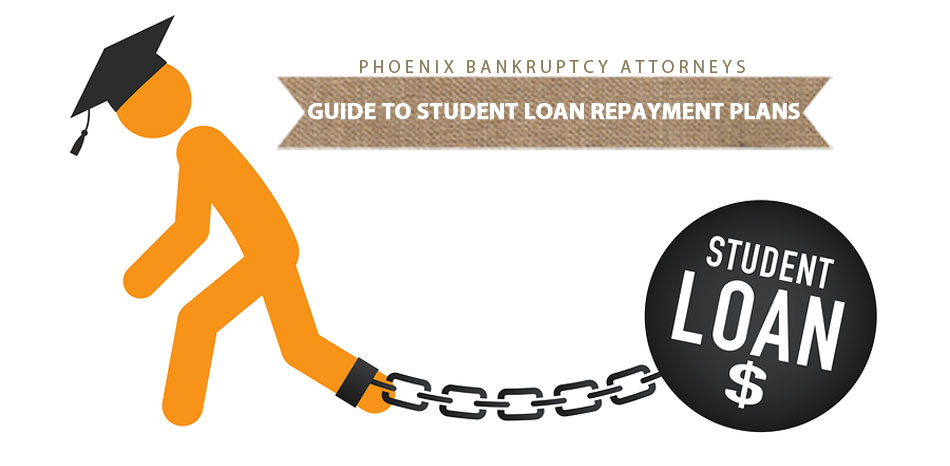
If you have already graduated with a mountain of student loan debt, there’s not much you can do about it now. Student debt cannot typically be discharged in a bankruptcy or included under a debt resettlement plan, but declaring bankruptcy and discharging your other debts can free up the money you need to pay your student loan on time and to save yourself penalties and excess interest.
Phoenix Bankruptcy Attorney can help you explore your options in Arizona. An experienced bankruptcy lawyer from our team will look at your financial situation and talk with you about your goals to make tailored recommendations for debt relief. You may be able to file Chapter 7 bankruptcy and discharge all your unsecured debts, such as credit card debts, or you may be able to file Chapter 13 bankruptcy to get a debt repayment plan. Call our firm today to talk with a Phoenix bankruptcy lawyer and learn more about how to proceed in Arizona.
On June 9th, 2016 the ex-CEO and president of Monarch Mortgage was indicted on charges that claim he hid over one million dollars in assets when he filed for bankruptcy in 2011 and 2012. After his arrest, Yoder was released on a five thousand dollar bond. His arraignment is scheduled for June 22nd.
In order to understand the story of Ted Yoder, it helps to know some key legal definitions.
What exactly is bankruptcy?
Filing for bankruptcy involves meeting with a lawyer, who compiles the debt you plan to file. If the debt is considered payable with your income, a lawyer will typically advise not filing for bankruptcy. If it is determined that you cannot pay the debt, the case goes to court and is approved. Once approved, essentially all of your debt is eliminated and you owe nothing. However, filing bankruptcy isn’t just a magical way to not owe any money. A bankruptcy will stay on your credit for about ten years and affect your ability to get loans, credit card, a home, a car, and virtually anything else that you need credit for.
Chapter 11 bankruptcy is a way to restructure debt in a company or for an individual while under the supervision of a court. Chapter 7 bankruptcy involved the liquidation of assets. Yoder filed for both chapters in 2011 and 2012.
What exactly is bankruptcy fraud?
Bankruptcy fraud is an inherently white-collar crime. There are four different types of bankruptcy fraud. The first type of bankruptcy fraud is the intentional concealing of assets to avoid having those assets taken. This is the most common type of bankruptcy fraud and accounts for nearly seventy percent of all bankruptcy fraud cases. The second type of bankruptcy fraud is intentionally filing false forms or incomplete forms. The third type of bankruptcy fraud is when debtors file multiple times with false information or by filing in various states or provinces. The final type of bankruptcy is the act of bribing a court-appointed trustee.
Bankruptcy fraud is typically done in an attempt to keep assets safe from forfeiture, or to effectively end any debts owed while maintaining wealth. Bankruptcy fraud is often committed by businessmen and executives, or by inherently wealthy people.
The details of Yoder’s shifty business
Authorities believe that Yoder has a partnership with someone from Virginia Beach to conceal around three hundred and forty thousand dollars from creditor. Yoder also continued to hide more of his assets on his own. The sought judgement is expected to be around $1,059,000.
Yoder filed for bankruptcy in 2011 after being met with several lawsuits from Bank of Hampton Road. The bank’s representatives claimed that they wanted some substantial loans paid back from a development partnership that Yoder approved.
When filing for bankruptcy, Yoder claimed he had nearly three million dollars in assets and four million dollars in liabilities. When that filing was dismissed, Yoder attempted to fill, this time for Chapter 7 bankruptcy instead of Chapter 11, in late 2012.
After working for Monarch, Yoder is accused of selling around 132,000 shares of stock for Sirius between the two bankruptcy filings, as well as wiring the profit of the sale to a friend. Yoder is accused of concealing that transaction or other assets that came into his possession after the first bankruptcy filing, which include federal and state tax refunds.
Upon his release, Yoder was ordered to surrender his passport and remove firearms from his home. Yoder was also ordered to stay in the state of Virginia and abstain from alcohol and drugs under the supervision of a parole officer.
The person that Yoder conspired with to hide his assets was named as Susan Gorby, who plead guilty to bankruptcy fraud and is awaiting sentencing.
The CEO of Monarch Bank and Financial Holdings, Inc., Brad Schwartz, had this to say: “Although Ted Yoder was the President and CEO of Monarch Mortgage from 2007-2011, he has not worked with the company since then. We have no further comment on the charges filed against him today, which are unrelated to his service with Monarch.”
Bankruptcy fraud is a popular crime.
Yoder isn’t the only hot shot that got caught committing bankruptcy fraud recently. Kent Lindemuth, a real estate developer from Topeka, Kansas, was arrested for one hundred and three counts of bankruptcy fraud earlier this year. Lindemuth filed for Chapter 11 bankruptcy in late November 2012 and claimed that his debt accumulated to nearly four million dollars. Lindmuth is accused of purchasing nearly a hundred firearms worth approximately eighty thousand dollars less than a year after he filed for bankruptcy. Lindmuth concealed these assets from creditors.
The punishment for bankruptcy fraud is very severe, as bankruptcy fraud and fraud of any kind are considered very serious offenses. The maximum penalty for a count of bankruptcy fraud is $250,000 and five years in a federal penitentiary.
While bankruptcy fraud is a crime favorite of the super wealthy, bankruptcy fraud can be committed completely by accident. Fraudulent errors can be avoided by doing any and all bankruptcy paperwork correctly. The best decision someone considering bankruptcy fraud could make is to consult with a Phoenix bankruptcy lawyer for advice on how to make sure you do not make very costly mistakes or omissions.
I need to file for bankruptcy, where should I look for a bankruptcy lawyer?
Look no further than Phoenix Bankruptcy Lawyers. This lawfirm, featuring talented and experienced bankruptcy lawyers, will walk you through the process of bankruptcy and evaluate your debt. You should always try to find the best lawyer for any legal situation, especially bankruptcy. Bankruptcy fraud is an easy thing to do by accident and a good lawyer can help you to avoid makinging a mistake. A bankruptcy lawyer from Phoenix Bankruptcy Lawyers will provide you with quality legal service gained from experience and niche expertise in the area of bankruptcy financial law. Contact us today for more information!
Big news could be devastating for employees of General Motors Company’s production plant in Phoenix, Arizona. Just a few days ago, General Motors Company was met with the startling revelation that one of their key suppliers, Clark-Cutler-McDermott Company, filed for bankruptcy in Phoenix. A contract dispute, said General Motors Company, plus the company’s bankruptcy lawyer’s in Phoenix move to file for bankruptcy may force the automotive company to close nearly all of their United States assembly factories, including the plants in Phoenix.
General Motors, which is based in Detroit, Michigan, depends on Clark-Cutler-McDermott Company for over one hundred and seventy five different insulation and interior material parts for their vehicles. Should this company file for bankruptcy successfully, General Motors could lose parts that are used in almost every car they manufacture in the country.
Clark-Cutler-McDermott Company ceased production of parts for General Motors earlier in July and laid off all employees. Clark-Cutler-McDermott Company had laid off workers earlier this year until General Motors could receive a restraining order against the company, which was granted. Now, that order has expired and Clark-Cutler-McDermott Company may be shutting down for good.
Production for large companies such as General Motors is a very sensitive process. Should supplies cease to be produced for their cars for even a 24 hour period, all North American plants could be closed for good. This was also said in General Motors own court documents, which claimed, “A continued disruption in the supply of component parts will also cause a catastrophic disruption in the supply chain and the operations of countless GM suppliers, dealers, customers, and other stakeholders.”
Since vehicle brands do not have products and parts on hand in order to save production factory space and must rely on immediate deliveries, even the slightest issue with suppliers could be dangerous for vehicle brands. It is even more dangerous that General Motors Company relies solely on one single supplier. General Motors Company can’t work with another supplier company either, since no other companies produce the correct parts for General Motors vehicles.
An upcoming court hearing has been scheduled to deal with requests from both General Motors Company and Clark-Cutler-McDermott Company.
Understanding bankruptcy
Bankruptcy is a general term that refers to the federal court procedure of eliminating debt for a business or person. Bankruptcy is often filed when the amount of debt an entity has greatly outweighs their assets and income, making the debt nearly impossible to pay back. The entity in question must prove to a court of law that they are entitled to a bankruptcy. Should the bankruptcy hearing be successful, the entity’s debts, in full or partially, can be completely wiped away.
A bankruptcy lawyer is usually involved in the entity’s bankruptcy filing for several reasons. The biggest reason is that because all assets and incomes must be accounted for, it is extremely easy to make a mistake. Should you file for bankruptcy with fraudulent information, you could face serious fraud charges. A bankruptcy lawyer can help you go through your assets and accurately file for bankruptcy.
This is no simple magic wave of the wand, though. Filing for bankruptcy puts a stamp on your credit score that can remain there for ten years or more. The ability to get a credit score based loan for anything may be impossible because of your bankruptcy filing. Businesses usually dissolve and must be sold or closed down. This is why Clark-Cutler-McDermott Company’s file for bankruptcy could mean the end of General Motors Company. Should Clark-Cutler-McDermott Company cease production, General Motors Company will have no other means of manufacturing their vehicles with specific parts made by the supply company.
My AZ Lawyers, PLLC can help. Not only do we handle bankruptcy law, but we also have attorneys with niche expertise in criminal defense, divorce, and DUI cases. You should always look for a bankruptcy lawyer that has a good track record of successful bankruptcy cases. Not only that, but you should never handle your bankruptcy case alone. Small details can be missed and could mean big trouble for you in the future. Give My AZ Lawyers, PLLC a call today to learn more about how we can help you.
Filing for bankruptcy can be a real wake up call. After finally get the debt relief that you need, you don’t want to waste the opportunity and find yourself in the same financial distress that caused you to file in the first place.
Creating a budget is the best way to create a healthy financial plan for moving forward and ensuring a more secure future. Your bankruptcy lawyer is likely to provide some tips while you are combing through your finances together, but here are a few other things you can do to create a strong budget and rebuilt your credit:
Make a List of All Your Income and Expenses
Before you can make any decisions about your budget, you have to have a clear understanding of all your income and expenses. You must be completely honest when compiling this list, which means accounting for all those $5 lattes you buy on your way to work and the little indulgences you pick up at the mall on the weekend. You need to see where all your money is going.
You may need to gather your credit card and bank statements to track these expenses, as you are likely to be unaware of how much you are spending on these items.
Make Adjustments to Get the Right Ratios
Financial counselors recommend that no more than 70 percent of your income go toward living expenses, such as your rent or mortgage, utilities and groceries. You should pay 20 percent of your income to your creditors, such as your car payment and your credit cards, and you should put 10 percent toward savings and investments.
Once you’ve made a list of all your income and expenses, you’ll be able to easily determine what ratios you are currently spending. You may then need to make adjustments to get into those healthy ratios. If you are spending too much on living expenses, for example, you may need to move into a smaller home or an apartment with cheaper rent.
Since you’ve already filed for bankruptcy, your debts should be limited, so you should not have to worry about that ratio being too high.
Increase Your Income and Reduce Your Expenses
Your bankruptcy may have wiped out enough of your debts that you have no problem paying for your expenses with your current income. However, you may find that you still don’t make enough to take care of all your expenses.
You have two options: Either find a way to increase your income or cut some expenses. Cutting expenses is usually the easiest option for most people. You can move into a smaller home, trade your car in for a used model or sell it and take public transportation, cut cable and get movies from the library instead, and eat at home more often instead of eating out. Making small changes can add up fast.
To increase your income, you might talk with your boss about a raise, or you might consider getting a second job. If you have a hobby, you might think about doing it for extra money.
Use Software to Track Expenses
Budget software can help you make sure you stay on track after you have put your spending guidelines in place. Most budget software will automatically categorize your expenses so that you can see what percentage of your budget is going to things like living expenses, entertainment, and so on. If you start to tip the balance of your budget, the software will show you quickly.
The software will also limit the temptation to overspend. Even if you don’t overdo it in any one area of your budget, just knowing that you are going to have to track any expenses you make will keep you from spending.
Build an Emergency Fund
You never know what can happen. You can lose your job, become ill or become injured, losing your ability to bring in income and causing you to rack up thousands in medical debt. An emergency fund can help you deal with such situations and make it through without financial ruin.
Save enough to get you through at least six months without any income. Also be sure that you have the appropriate insurance to cover any illness or injury you may experience.
These budget tips are sound even if you haven’t filed for bankruptcy. By following these tips, you may be able to create the financial health to avoid bankruptcy altogether. If you do need to file for bankruptcy, we can help. An Arizona bankruptcy lawyer from our team can help you understand your options for debt relief so that you can get a fresh start. You may be able to discharged debts, or you may be able to get on a structured repayment plan that lowers your overall expenses. Call us today to talk to a Phoenix bankruptcy lawyer and learn more about your options.
It’s a new year and so many of us in Mesa, Arizona and around the country have made resolutions for 2014. Lose weight. Get healthier. Exercise more. Quit smoking. Be a better father/mother/child and so forth. All of these are excellent resolutions and really something worth attaining. The trick of course is how to attain those this year and not just setting empty goals that don’t get met and “oh well, it’s another year, better luck next time.”
For millions of Americans, whether you live in Mesa, Arizona or Portland, Maine, another, very important goal is to get out of debt. This is a resolution that carries a lot of impact. Debt is crushing and can create extreme stress that individuals and families who live with debt know all too well.
Debt comes in many forms: mortgages, second mortgages, personal loans (such as to family and friends) car loans, department store debts, school loans, credit cards, medical bills and even tax debts to the IRS or to the state. Some debt is of course worse than other debt. A mortgage on a decent interest rate (say 4%) over thirty years, on a home you live in happily, is not a “bad debt”. A high interest adjustable rate mortgage debt however on a home in Mesa, Arizona that is worth far less than you paid for it and that you cannot even afford to cool all of, for example could be a very crushing debt for someone. Obviously high interest credit card loans are really stressful and “bad” for people. Even department store cards can get out of control with interest and late payment penalties.
For Mesa residents, we are lucky to live in a great community with many opportunities. We however, have also felt the terrible burden of the crashing real estate market and its devastating ripple effects all around us on our economy. The fact that we are now finally able to claw our way up out of this morass is a blessing but we realize there is plenty of damage to clean up along the way. Some of the ripple effects include people with more debt than is able to be managed. You can be stuck in the endless cycle of paying late fees, penalties and interest only and never get out of the debt mess.
Step One
One solution to start the process of straightening out the mess is to declare bankruptcy. Contrary to what some may think, bankruptcy does not mean you are shirking your responsibilities and not paying debts. It is a legal way of getting pressure off so you can start the process of sorting through the debt. Contacting a professional here in Mesa is a good place to start to find out about bankruptcy.
Step Two
Another key action to take to start getting out of debt is stop putting things on credit cards. You are already in the mess you are in. Stop it – don’t make it worse because the more it grows the harder it will be to dig out.
Step Three
Step three is to start carefully tracking purchases and eliminate any careless “accidental” spending. Going to the mall in Mesa or Phoenix? Consider first what you will be purchasing and write down what you need. Leave credit cards behind. Bring only the cash you need to spend and that’s it. Then keep track of your purchases and everything you got carefully.
Step Four
Step four is to review all of your past spending habits and find what the bad habits are and where money is being wasted. Do you clip coupons? Do you waste food? Are you going to more expensive supermarkets instead of discount markets where you can still get quality for less? Second from housing, food is a very large budget item for most families and can be the average family spends in excess of ten thousand dollars per year on food. Many families looking to save money reduce food costs easily without any sacrifice to healthy eating or yummy meals. In addition to groceries other costs come in the form of cable bills, cell phone bills, home alarm systems, cleaning services, eating out, entertainment costs and other loose cash expenditures. Bottom line – grab ahold of your budget and rein it in. NOW.
Finally, announce the plan to your family. Here in Mesa, there are many professional services to help with a bankruptcy. You and your spouse may or may not want to inform your children about a potential or completed bankruptcy and that’s fine. Keep that among yourselves and the professionals assisting you. But involve the whole family in making budget conscious decisions and you will be helping your children survive better in the long run.
Call (602)509-0955 for a FREE Bankruptcy Consultation NOW!!!
Serving Chapter 7, Chapter 11, and Chapter 13 clients in Phoenix and surrounding communities!
MY AZ LAWYERS, PLLC PHOENIX BANKRUPTCY LAWYERS LOCATIONS: Offices throughout the valley. CONTACT US NOW:
Call (602) 509-0955 to set an appointment with one of our Phoenix Area Bankruptcy Lawyers.
OUR PHOENIX BANKRUPTCY LAWYERS ARE LOCATED IN PHOENIX, ARIZONA, AND SERVE BANKRUPTCY CLIENTS IN SCOTTSDALE, PHOENIX, GLENDALE, TEMPE, MESA, CHANDLER, PLEASANT VALLEY, AVONDALE, CASHION, EL MIRAGE, PEORIA, SUN CITY, SUN CITY WEST, TOLLESON, YOUNGTOWN, GILBERT, QUEEN CREEK, CASA GRANDE, SURPRISE, PRESCOTT, MARANA, TUCSON, FLAGSTAFF AS WELL AS PIMA, PINAL, AND MARICOPA COUNTY.
DISCLAIMER: THE INFORMATION YOU OBTAIN AT THIS ARIZONA BANKRUPTCY LAW WEB SITE IS NOT, NOR IS IT INTENDED TO BE, LEGAL ADVICE. YOU SHOULD CONSULT A PHOENIX LAWYER FOR ADVICE REGARDING YOUR INDIVIDUAL SITUATION. OUR ARIZONA BANKRUPTCY LAWYERS AND STAFF INVITE YOU TO contact our Arizona Bankruptcy Law Firm AND WELCOME YOUR CALLS, LETTERS, AND ELECTRONIC MAIL. CONTACTING US DOES NOT CREATE AN ATTORNEY-CLIENT RELATIONSHIP. PLEASE DO NOT SEND ANY CONFIDENTIAL INFORMATION TO US UNTIL SUCH TIME AS AN ATTORNEY-CLIENT RELATIONSHIP HAS BEEN ESTABLISHED. THANK YOU FOR VISITING OUR PHOENIX DEBT RELIEF WEB SITE.
Phoenix Bankruptcy Attorneys Serving: Phoenix, Scottsdale, Tempe, Mesa, and Glendale
Our bankruptcy attorneys serving Tucson, Marana, Oro Valley, and Pima County can assist you when filing a Tucson chapter 7 bankruptcy is necessary by an individual, couple, or business in Tucson, Arizona. Filing Chapter 7 bankruptcy results in a liquidation of assets and clearing of debts. This type of bankruptcy requires that certain financial qualifications be met and may not be for everyone. The main factor when considering to file chapter 7 bankruptcy in Tucson is an individual’s disposable income and how much money will be generated by an the individual, or spouses, over a 5-year period.
If you or someone you know in the Pima County, Tucson, or surrounding communities is overwhelmed by the burden of debt, it is highly recommended that you consult a Tucson bankruptcy attorney from the Tucson based bankruptcy law firm of My AZ Lawyers, PLLC. Our low cost and trusted bankruptcy law firm can help you figure out what your best option is based on your particular circumstances and current financial situation. As previously mentioned, you must meet certain financial criteria to qualify for Chapter 7 bankruptcy protection in Tucson. If you don’t qualify for Tucson chapter 7 bankruptcy, there are other debt relief options. Additional debt relief options include: Bankruptcy by phone, Arizona Zero Down Bankruptcy, Vegas Zero Down Bankruptcy, Phoenix Chapter 7 bankruptcy, Phoenix Chapter 13 bankruptcy, $0 Down bankruptcy, Phoenix Debt Relief, and Chapter 13 Lien Stripping.
Some Other Debt Relief Options in Tucson Include: •Tucson Chapter 13 Bankruptcy •Debt Settlement in Tucson •Consolidation of Debt in Tucson and Pima County •Bankruptcy Alternatives
With the poor Arizona economy, especially in Tucson, Marana, Oro Valley, and Pima County, Arizona; coupled with the rock bottom housing market and increasing unemployment rates, bankruptcy filing numbers are near or at all-time highs. The most common type of bankruptcy filed by residents in Tucson is a Tucson Chapter 7 bankruptcy. A Tucson Chapter 7 Bankruptcy is primarily an option for people with lower incomes who find themselves struggling with insurmountable debt. If you are considering filing a Tucson Chapter 7 bankruptcy, please consult an experienced Tucson bankruptcy attorney now.
Call (602)509-0955 for a FREE Bankruptcy Consultation NOW!!!
Serving Chapter 7, Chapter 11, and Chapter 13 clients in Phoenix and surrounding communities!
MY AZ LAWYERS, PLLC PHOENIX BANKRUPTCY LAWYERS LOCATIONS: Offices throughout the valley. CONTACT US NOW:
Call (602) 509-0955 to set an appointment with one of our Phoenix Area Bankruptcy Lawyers.
OUR PHOENIX BANKRUPTCY LAWYERS ARE LOCATED IN PHOENIX, ARIZONA, AND SERVE BANKRUPTCY CLIENTS IN SCOTTSDALE, PHOENIX, GLENDALE, TEMPE, MESA, CHANDLER, PLEASANT VALLEY, AVONDALE, CASHION, EL MIRAGE, PEORIA, SUN CITY, SUN CITY WEST, TOLLESON, YOUNGTOWN, GILBERT, QUEEN CREEK, CASA GRANDE, SURPRISE, PRESCOTT, MARANA, TUCSON, FLAGSTAFF AS WELL AS PIMA, PINAL, AND MARICOPA COUNTY.
DISCLAIMER: THE INFORMATION YOU OBTAIN AT THIS ARIZONA BANKRUPTCY LAW WEB SITE IS NOT, NOR IS IT INTENDED TO BE, LEGAL ADVICE. YOU SHOULD CONSULT A PHOENIX LAWYER FOR ADVICE REGARDING YOUR INDIVIDUAL SITUATION. OUR ARIZONA BANKRUPTCY LAWYERS AND STAFF INVITE YOU TO contact our Arizona Bankruptcy Law Firm AND WELCOME YOUR CALLS, LETTERS, AND ELECTRONIC MAIL. CONTACTING US DOES NOT CREATE AN ATTORNEY-CLIENT RELATIONSHIP. PLEASE DO NOT SEND ANY CONFIDENTIAL INFORMATION TO US UNTIL SUCH TIME AS AN ATTORNEY-CLIENT RELATIONSHIP HAS BEEN ESTABLISHED. THANK YOU FOR VISITING OUR PHOENIX DEBT RELIEF WEB SITE.
Creditors are not allowed to call you after you have filed for bankruptcy protection.
The daily multiple phone calls that you receive due to being behind on your mortgage, credit card payments, bills, and/or other debts is a constant reminder of your unmanageable debt and your poor financial situation. With every incoming phone call, feelings of anxiety and stress become as overwhelming as the debt itself. Even if you never directly speak to a collection agency, creditor or debt collector, the unanswered calls and demanding messages do not stop reminding you that there is no hope of providing relief from your debt. Blocking numbers on your phone and screening calls is not going to help your debt go away, it may only briefly stop the collection attempts. What can you do to make the phone calls from creditors stop?
Seek the guidance of an experienced bankruptcy attorney.
Talking to the right Phoenix bankruptcy attorney is important as you will soon realize that there is hope for real debt relief. Filing chapter 7 or chapter 13 bankruptcy can resolve any financial issues, give you a means to an end, stop creditor harassment, and provide you with the information you need to move forward to a better financial future. Contacting a trusted bankruptcy lawyer and retaining services is the right path to getting you a Fresh Start. Creditors must stop calling you once they have received notice of your bankruptcy.
Filing bankruptcy will stop creditor calls and creditor harassment.
It can take some time for the bankruptcy court to process your final paperwork and then send that to the creditors. They may keep calling you up until getting that written notice, so you will want to have your attorney make phone calls to notify the creditors and provide them with the case number. Verbal communication by a lawyer is as binding as a written formal notice. When a bankruptcy petition is filed, an automatic stay will go into effect. Creditors may not contact you during this process. Also, once your debt is discharged, creditors do not have a claim to your old debt and must permanently desist any attempts at collection. Typically, creditors do abide by these rules, because they are required to.
The creditors must abide by a bankruptcy court’s decision regarding all discharges in a case, they can not attempt to collect on a debt after you have filed bankruptcy. Some creditors do not abide by the notice given of bankruptcy and continue to call, even possibly threaten, harass, and intimidate you. They will tell you lots of things to get their money. If a situation like this arises, it is important to inform your bankruptcy attorney to handle the creditors’ harassment. Most debt collectors will not continue to contact you once they know and have confirmed that you are filing bankruptcy.
You may discuss with an experienced PHX bankruptcy attorney the steps you can take in order to ensure the calls from your creditors stop once and for all. You then need to come up with a plan of action to deal with your debts. In order to properly deal with your debt and the creditors, it is important that you visit with your attorney about the law. You have rights, and you should know not only what they are, but how to protect these rights, as not to be taken advantage of by creditors or the system. Before you take any action, discuss your case with an attorney knowledgeable about bankruptcy law. Many Arizona bankruptcy lawyers offer free consultations and low legal fees. Take advantage of these offers and find out if filing for bankruptcy protection is the best solution for you and your family.
668 N. 44th St., Ste 300
Phoenix, AZ 85008
Office: (602)509-0955
1731 W. Baseline Road, Suite 100
Mesa, AZ 85202
Office: (480) 263-1699
20325 N. 51st Ave., Suite #134
Glendale, AZ 85308
Office: (623) 640-4945
2 East Congress St., Suite 900
Tucson, AZ 85701
Office: (520) 306-8729
Call (602)509-0955 for a FREE Bankruptcy Consultation NOW!!!
Serving Chapter 7, Chapter 11, and Chapter 13 clients in Phoenix and surrounding communities!
MY AZ LAWYERS, PLLC PHOENIX BANKRUPTCY LAWYERS LOCATIONS: Offices throughout the valley. CONTACT US NOW:
Call (602) 509-0955 to set an appointment with one of our Phoenix Area Bankruptcy Lawyers.
OUR PHOENIX BANKRUPTCY LAWYERS ARE LOCATED IN PHOENIX, ARIZONA, AND SERVE BANKRUPTCY CLIENTS IN SCOTTSDALE, PHOENIX, GLENDALE, TEMPE, MESA, CHANDLER, PLEASANT VALLEY, AVONDALE, CASHION, EL MIRAGE, PEORIA, SUN CITY, SUN CITY WEST, TOLLESON, YOUNGTOWN, GILBERT, QUEEN CREEK, CASA GRANDE, SURPRISE, PRESCOTT, MARANA, TUCSON, FLAGSTAFF AS WELL AS PIMA, PINAL, AND MARICOPA COUNTY.
DISCLAIMER: THE INFORMATION YOU OBTAIN AT THIS ARIZONA BANKRUPTCY LAW WEB SITE IS NOT, NOR IS IT INTENDED TO BE, LEGAL ADVICE. YOU SHOULD CONSULT A PHOENIX LAWYER FOR ADVICE REGARDING YOUR INDIVIDUAL SITUATION. OUR ARIZONA BANKRUPTCY LAWYERS AND STAFF INVITE YOU TO contact our Arizona Bankruptcy Law Firm AND WELCOME YOUR CALLS, LETTERS, AND ELECTRONIC MAIL. CONTACTING US DOES NOT CREATE AN ATTORNEY-CLIENT RELATIONSHIP. PLEASE DO NOT SEND ANY CONFIDENTIAL INFORMATION TO US UNTIL SUCH TIME AS AN ATTORNEY-CLIENT RELATIONSHIP HAS BEEN ESTABLISHED. THANK YOU FOR VISITING OUR PHOENIX DEBT RELIEF WEB SITE.
Many people in Phoenix Arizona and throughout the United States are facing tough economic times. Bankruptcy is an option to help alleviate your debt and financial problems, but you may be able to avoid filing if you consider some options. Bankruptcy is not for everyone, some people don’t qualify, some people don’t believe in it, and sometimes declaring bankruptcy is not the best option. Maybe one of the following alternatives will work for your particular PHX financial situation, or maybe you could consider several tools together to help you become closer to being debt free. Don’t you deserve a “fresh start”?
Debt relief means a change in elements of your life. You need to be ready and willing to eliminate your debt. Debt relief can be accomplished in several ways, several of the methods of debt relief can be done without filing Phoenix bankruptcy, but you may have to make lifestyle changes in order to get your finances back on track.
When starting down the debt relief path, take the time to calculate exactly how much money you need to avoid bankruptcy. Now, what are you able to contribute to that? You need to have realistic expectations and you need to know exactly where you stand – how much debt you have. Pull a free copy of your credit report and learn the details of how much you owe; review it carefully. You must know exactly what kind of debt you are up against when
considering bankruptcy and other forms of debt relief.
Taking immediate action when you realize that you are in financial trouble is important. Instead of consistently being behind on payments, you may have to take some drastic and inconvenient measures to fix the problem. Selling some of your assets is one way that you can get some extra money; valuable items such as: electronics, jewelry, and things that you have purchased that can generate extra cash that you can live off.
The best bit of advice when considering debt relief is to seek the assistance of a Phoenix Arizona professional: work with an experienced consumer credit counselor. Ask the counselor to help you work with your creditors in order to get your payments and interest rates reduced. Express your willingness to pay the debt, your desire to avoid bankruptcy, doing these things may make your creditors may work with you, as they would rather get some money than no money (which is what they would get if you filed chapter 7 bankruptcy). A credit counselor is also a good resource to help you if you need some assistance making a “get out of debt” plan. Financial planning is an essential key. A financial plan of attack may depend on how much you currently owe or how far behind you are on payments. Based on your situation, your plan of action to get rid of debt should include a spending schedule. Take a closer look at your budget and cut any expenses that you may like to have, but can live without until you pay your way out of debt.
Now that you have limited your spending and worked on the budget you next need to prioritize your debt. You might have to consider increasing your income, the simplest solution is to make more money. Is working overtime or getting part-time work a feasible option? Paying your way out of debt is work. You need extra money to whittle down the debt; you might have your own ideas for earning that extra money.
Before filing for bankruptcy, explore your alternatives to eliminate your financial deficits. Even the best efforts and best intentions, however, are not enough, and many people who have exhausted every means of paying back debt still can’t manage to make the payments, and have to consider the option of bankruptcy. An experienced Phoenix bankruptcy attorney can help you decide if filing is the right option for your situation.
668 N. 44th St., Ste 300
Phoenix, AZ 85008
Office: (602)509-0955
1731 W. Baseline Road, Suite 100
Mesa, AZ 85202
Office: (480) 263-1699
20325 N. 51st Ave., Suite #134
Glendale, AZ 85308
Office: (623) 640-4945
2 East Congress St., Suite 900
Tucson, AZ 85701
Office: (520) 306-8729
Call (602)509-0955 for a FREE Bankruptcy Consultation NOW!!!
Serving Chapter 7, Chapter 11, and Chapter 13 clients in Phoenix and surrounding communities!
MY AZ LAWYERS, PLLC PHOENIX BANKRUPTCY LAWYERS LOCATIONS: Offices throughout the valley. CONTACT US NOW:
Call (602) 509-0955 to set an appointment with one of our Phoenix Area Bankruptcy Lawyers.
OUR PHOENIX BANKRUPTCY LAWYERS ARE LOCATED IN PHOENIX, ARIZONA, AND SERVE BANKRUPTCY CLIENTS IN SCOTTSDALE, PHOENIX, GLENDALE, TEMPE, MESA, CHANDLER, PLEASANT VALLEY, AVONDALE, CASHION, EL MIRAGE, PEORIA, SUN CITY, SUN CITY WEST, TOLLESON, YOUNGTOWN, GILBERT, QUEEN CREEK, CASA GRANDE, SURPRISE, PRESCOTT, MARANA, TUCSON, FLAGSTAFF AS WELL AS PIMA, PINAL, AND MARICOPA COUNTY.
DISCLAIMER: THE INFORMATION YOU OBTAIN AT THIS ARIZONA BANKRUPTCY LAW WEB SITE IS NOT, NOR IS IT INTENDED TO BE, LEGAL ADVICE. YOU SHOULD CONSULT A PHOENIX LAWYER FOR ADVICE REGARDING YOUR INDIVIDUAL SITUATION. OUR ARIZONA BANKRUPTCY LAWYERS AND STAFF INVITE YOU TO contact our Arizona Bankruptcy Law Firm AND WELCOME YOUR CALLS, LETTERS, AND ELECTRONIC MAIL. CONTACTING US DOES NOT CREATE AN ATTORNEY-CLIENT RELATIONSHIP. PLEASE DO NOT SEND ANY CONFIDENTIAL INFORMATION TO US UNTIL SUCH TIME AS AN ATTORNEY-CLIENT RELATIONSHIP HAS BEEN ESTABLISHED. THANK YOU FOR VISITING OUR PHOENIX DEBT RELIEF WEB SITE.

 From 2005- 2010 all states showed an increase in bankruptcy filings. Some experts believe some of the increase is due to a natural recovery as consumers and Phoenix Bankruptcy attorneys become accustomed to a recent overhaul of bankruptcy laws, the numbers indicate clear correlations to recession-weary regions. Arizona saw the fastest increase, a jump of 77% from the year before, followed by Wyoming (60%), Nevada (59%) and California (58%). While every state saw a rise in bankruptcies , Alaska (up only 12%), Nebraska (12%) and North Dakota (14%) performed best.


 Also, you always want to keep in mind that the credit card holder wants to make money. That’s what they are in the business for. With interest, hidden fees, and other penalties, they make tons of money off other people, and they will try to do the same with you. If they don’t make money, the next thing they will try to do is not take a loss. They will do this at your expense, no matter how badly you are drowning in debt. Defaulting customers cost the creditors money, so they may compromise with you and get a portion of what’s owed to them instead of paying the collections agencies, implementing legal action, of having the debt discharged altogether when you file for bankruptcy. In addition to hurting you, it will also hurt the credit card holders. If you negotiate with the person you have called well enough, then you could reduce your debt a considerable amount and save yourself from horrible headaches in the future.

 If you have already graduated with a mountain of student loan debt, there’s not much you can do about it now. Student debt cannot typically be discharged in a





 The daily multiple phone calls that you receive due to being behind on your mortgage, credit card payments, bills, and/or other debts is a constant reminder of your unmanageable debt and your poor financial situation. With every incoming phone call, feelings of anxiety and stress become as overwhelming as the debt itself. Even if you never directly speak to a collection agency, creditor or debt collector, the unanswered calls and demanding messages do not stop reminding you that there is no hope of providing relief from your debt. Blocking numbers on your phone and screening calls is not going to help your debt go away, it may only briefly stop the collection attempts. What can you do to make the phone calls from creditors stop?
 Many people in Phoenix Arizona and throughout the United States are facing tough economic times. Bankruptcy is an option to help alleviate your debt and financial problems, but you may be able to avoid filing if you consider some options. Bankruptcy is not for everyone, some people don’t qualify, some people don’t believe in it, and sometimes
 Call Us
 Text Us